Skip to content

Industries

Your Sector. Your Challenges.

Six sectors, the problems we hear most in each, and what you have once they are solved.

Manufacturing

Fewer stops. Higher OEE.

The challenge

  • A single failure can halt a line for hours and cost a day of output.
  • Older machines report nothing, so problems surface late.
  • Energy is rarely measured per machine, so waste goes unnoticed.

What you get

  • Predictive maintenance. Vibration, temperature and current are monitored continuously, with alerts before parts fail.
  • Production visibility. One live dashboard for machines of any brand or age.
  • Energy optimization. Consumption tracked per machine, so you know where to act.

Solutions used
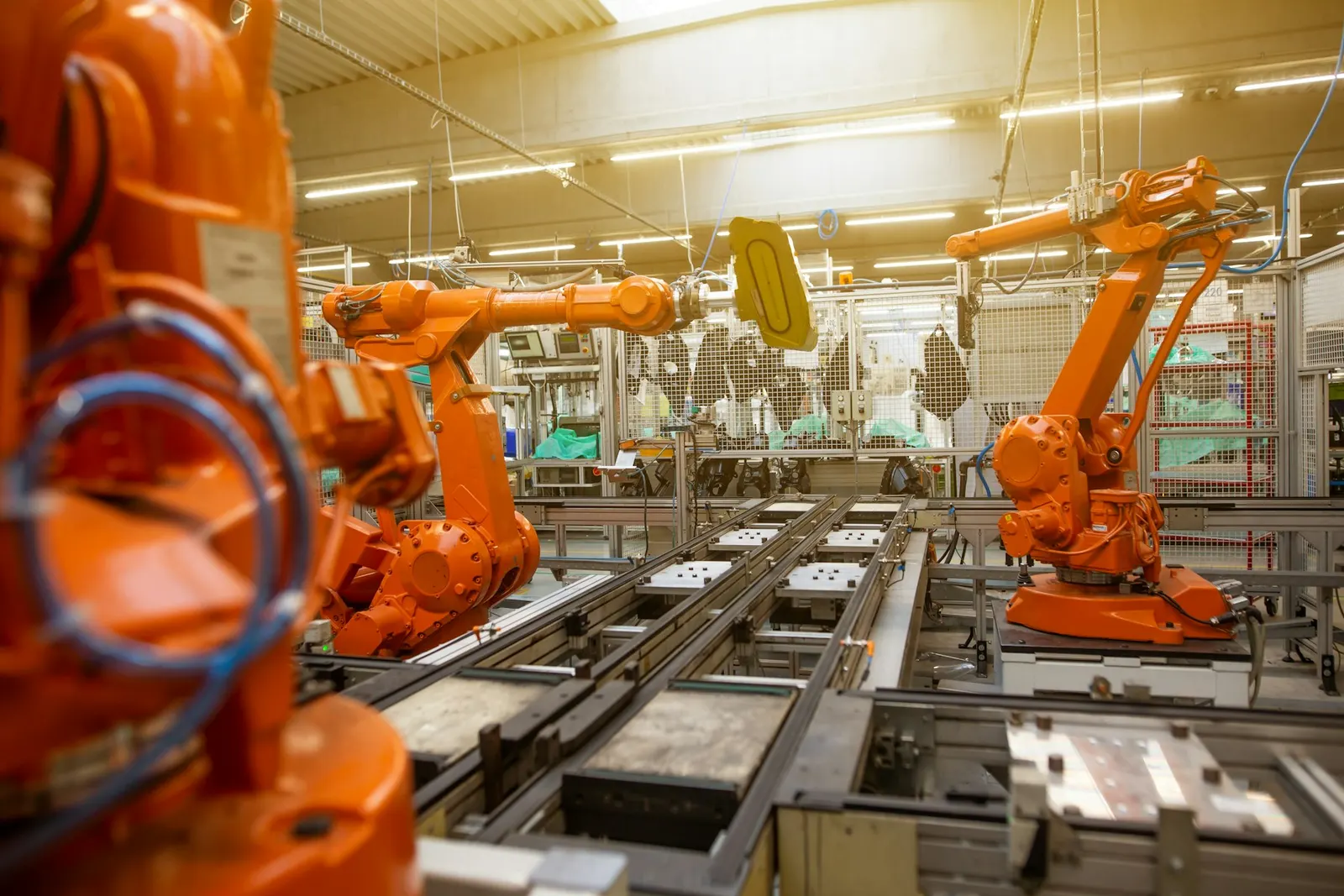
Industrial robots on a production line

Energy & Utilities

Remote sites, supervised from one place.

The challenge

  • Substations, generators and pumping stations are spread over a wide area.
  • Checking a site means sending a crew.
  • A standby generator that will not start is found out at the worst moment.

What you get

  • Remote monitoring. Every site reports its status to one place.
  • Generator readiness. Generators are tested and monitored, so they start when needed.
  • Power quality visibility. Drifts are seen and flagged before they become outages.

In the field · A government agency monitors 23+ remote sites at 9× lower cost than the alternative PLC systems.

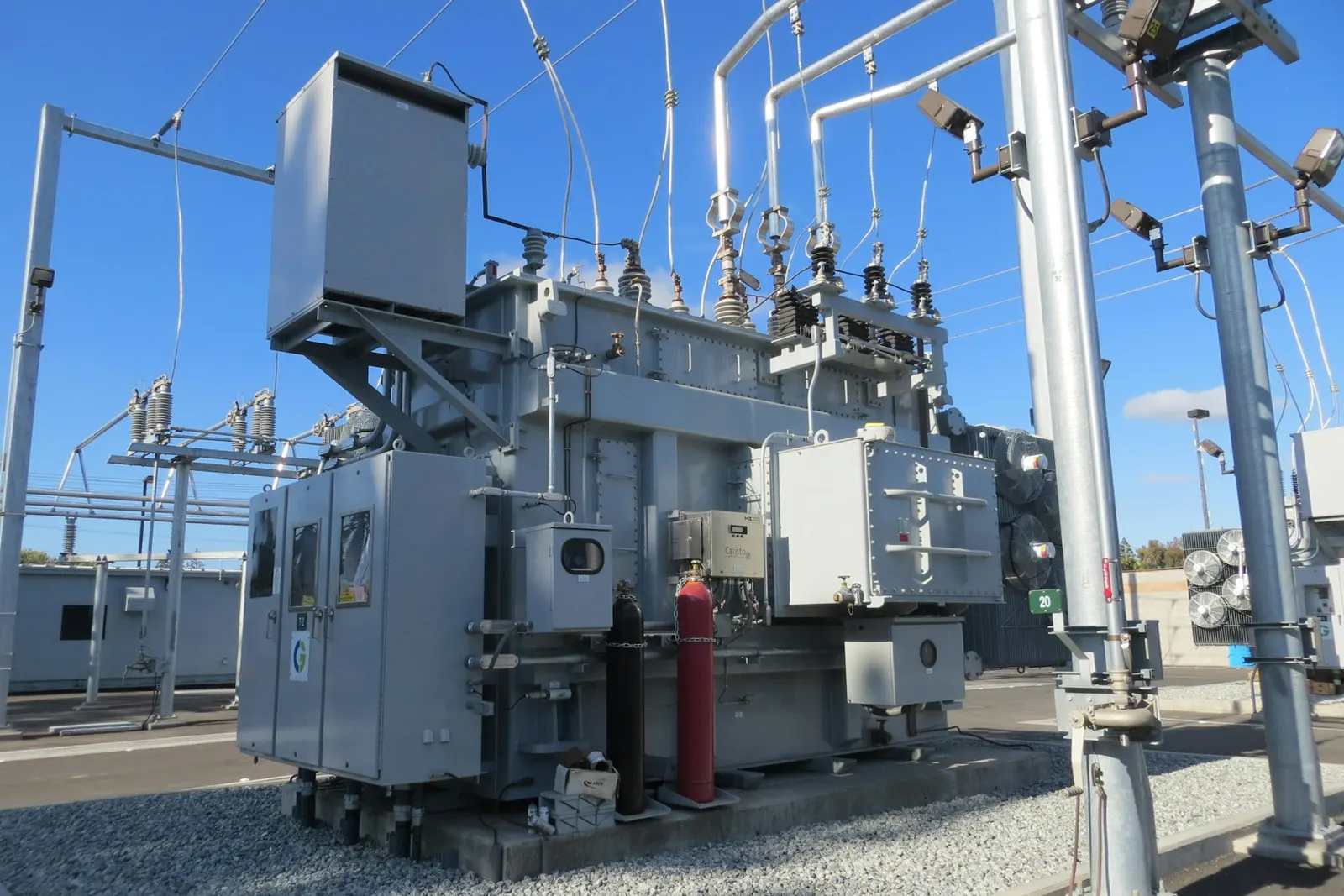
Power transformer in an electrical substation

Smart Buildings

Lower energy bills. Fewer complaints.

The challenge

  • Each building system has its own screen, and nobody sees the whole picture.
  • Heating, cooling and lighting run whether or not the space is in use.
  • Faults are reported by occupants before the facilities team sees them.

What you get

  • One dashboard. Energy, air quality, HVAC and security for all your buildings.
  • Automated alerts. The right team is told when a reading leaves its normal range.
  • Predictive maintenance. HVAC and chillers are serviced on condition, before they fail.

Solutions used

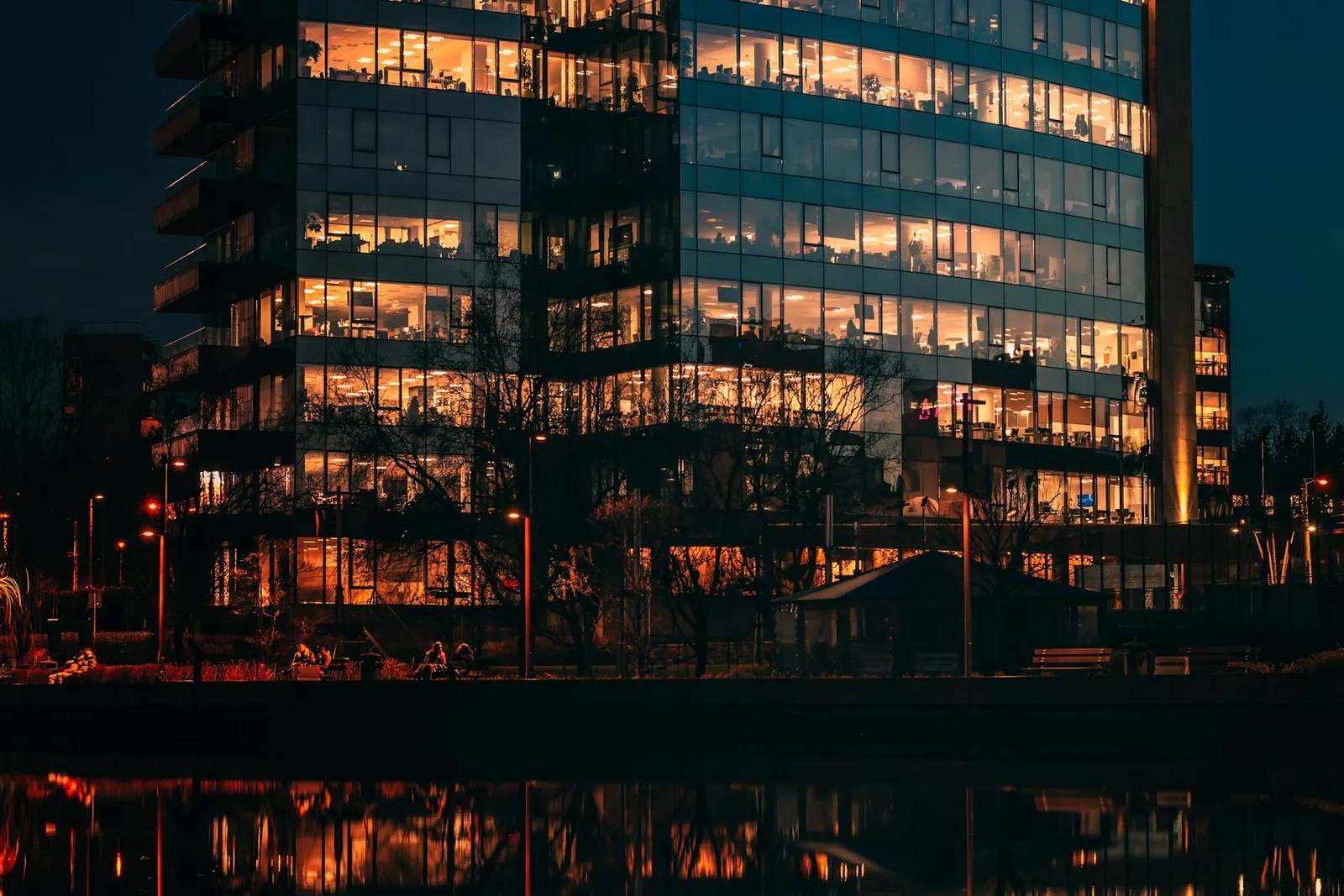
Office building lit up at night

Critical and municipal infrastructure

Infrastructure Modernization

Early warning for the services citizens rely on.

The challenge

  • Floods, fire and pollution peaks become incidents before anyone can react.
  • Ageing infrastructure produces little data about its own condition.
  • Small teams cover large areas and many sites.

What you get

  • Early warning. Alerts with location and trend when a threshold is crossed or fire is detected.
  • Environmental monitoring. Water levels, rainfall, air quality and gas, measured continuously.
  • Infrastructure monitoring. Pumps, generators and public facilities report their own status.

In the field · A state environmental agency uses real-time pollution detection in its pollution response unit. Integrated drone swarms support emergency response, disaster relief, security, fire detection and automated situational awareness.

A city at night seen from above, with its lit roads

Transportation & Logistics

Vehicles, depots and cold chain in one view.

The challenge

  • Assets are on the move and hard to keep track of.
  • A temperature excursion is often found at delivery, when the load is already lost.
  • Depot equipment and vehicles are monitored in separate systems.

What you get

  • Fleet monitoring. Vehicle status in one place, wherever they are.
  • Asset visibility. Depots and equipment on the same screen as the fleet.
  • Cold chain tracking. Temperature followed along the route, with an alert when it drifts.
Shipping containers in a port terminal, seen from above

Healthcare & Assisted Living

Healthy air and fast alerts in every room.

The challenge

  • Air quality affects patients, residents and staff, and is rarely measured room by room.
  • An emergency alert has to reach the right person immediately.
  • Facilities teams are stretched across large, always-open buildings.

What you get

  • Indoor air quality. Measured in every room, with alerts when it degrades.
  • Emergency alerting. Alerts routed to the people who can respond.
  • Patient safety support. Building conditions that affect safety are watched continuously.

In the field · A state public health laboratory uses an early warning system for ammonia leaks.

Solutions used

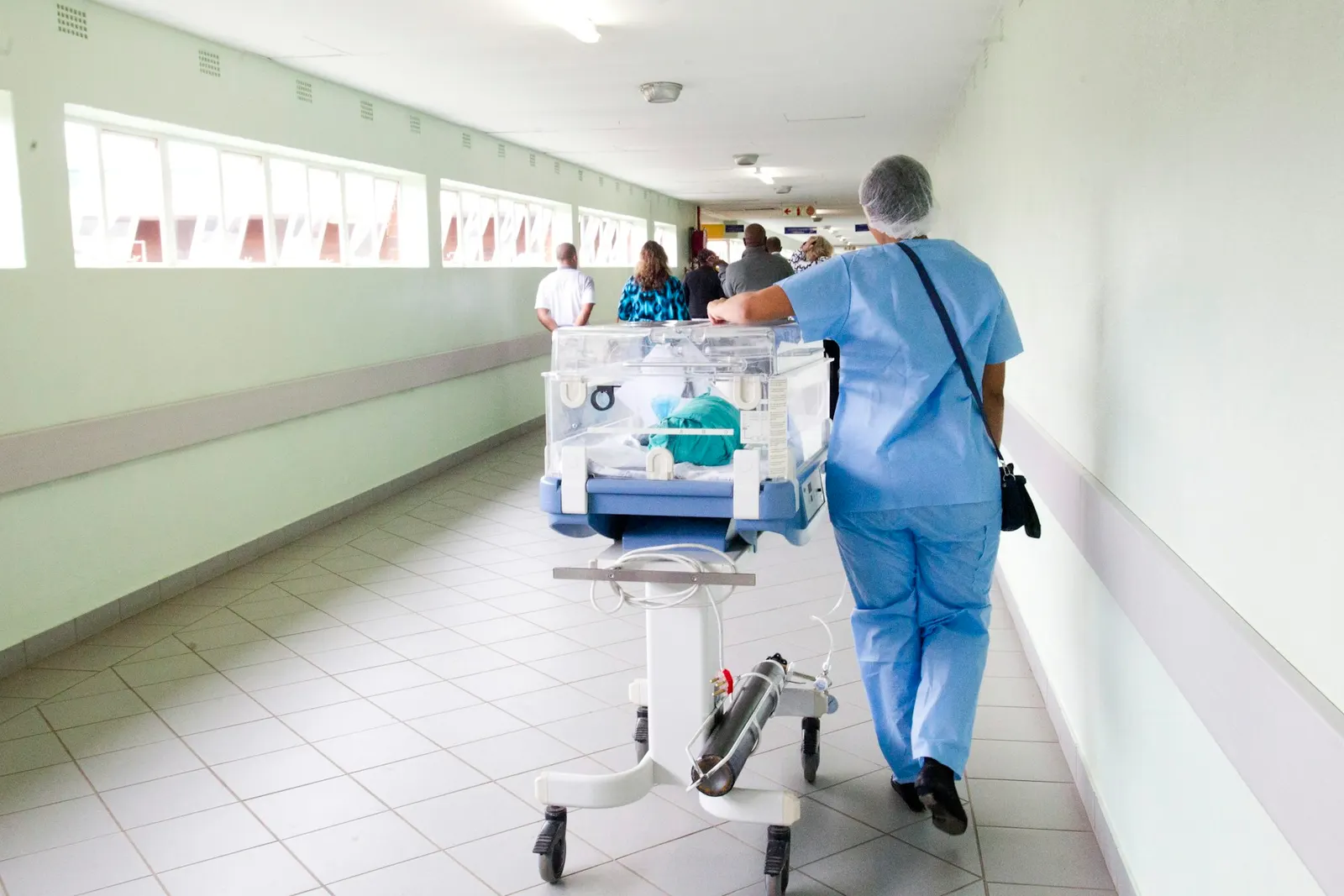
A nurse pushing an incubator down a hospital corridor

Tell Us About Your Sites

In a call, an engineer reviews your sites and priorities and tells you where the savings are likely to be. No preparation needed.